
Category: Before your visit

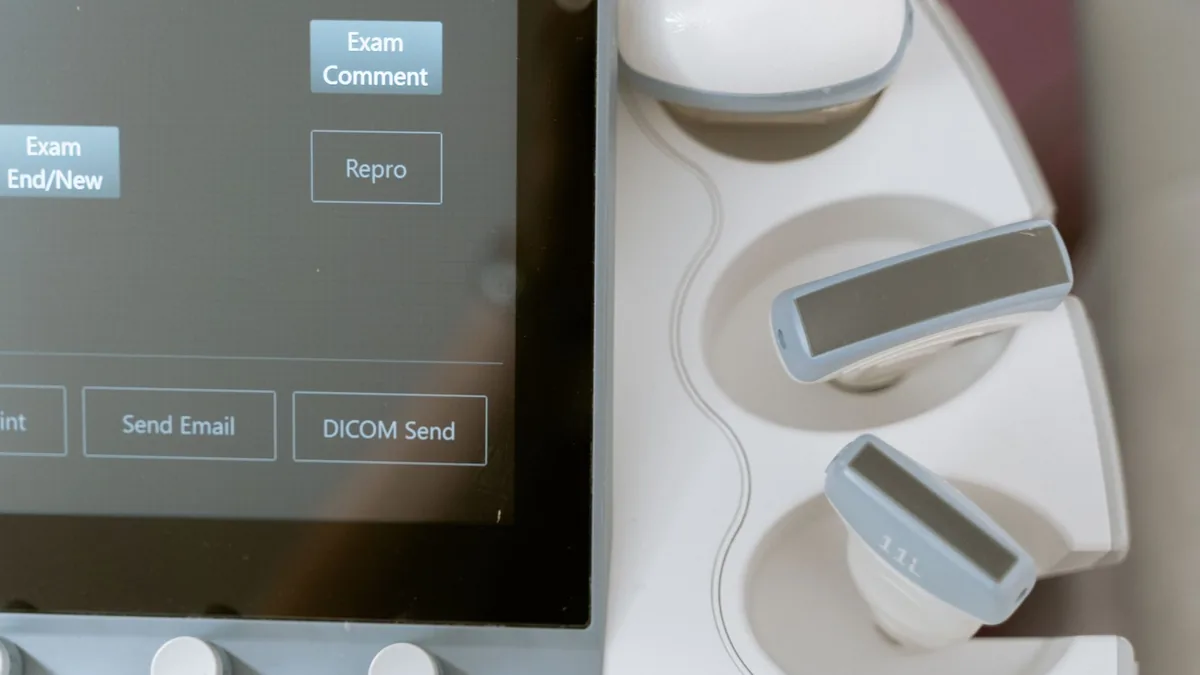
  • Close-up image of ultrasound equipment showing the monitor and probe holders.

    Do You Need a Referral for Measura Testing?

    Do you need a referral?

    No. You can arrange an assessment yourself, and the report goes to whichever clinician you name.

    How do you arrange testing without a referral?

    You call, we work out together which assessments answer the question you actually have, and you book. At the appointment you name the clinician who should receive the report. That is the whole process.

    The reason this matters is that the people who most need these measurements are often the ones least likely to be referred for them. Someone with burning feet and a normal nerve conduction study has usually already been told nothing is wrong. Someone whose walking distance has quietly halved over two years has generally not mentioned it to anyone.

    Should you still involve your own doctor?

    Not because it is required, but because the report is more useful in the hands of someone who knows your history. A measurement in isolation is a number; a measurement read against your medications, your previous results and your examination is information.

    Take the report to them, or have us send it. Either works. Getting results into the chart covers what happens on their end.

    What if your doctor says you do not need testing?

    For a healthy adult under 50 with no risk factors, that is a reasonable position and probably the right one. For anyone in the risk group — over 50 with a cardiovascular risk factor, over 70, hypertensive, overweight, a smoker or diabetic — it is a conversation worth having, and it goes better with a specific question than a general request.

    Questions worth asking has some that tend to work, such as whether insulin has ever been measured alongside glucose, or whether small-fiber function can be tested separately from a nerve conduction study.

    Will Measura diagnose or treat you?

    We will not tell you to stop or change a medication, we will not interpret the report as a diagnosis on its own, and we will not treat anything. Measura measures. Every result is reviewed with a clinician, and turning it into a diagnosis and a plan is a clinical relationship. Medical disclaimer.

    Frequently asked questions

    What happens if you don’t have a referral?

    Nothing changes. You can arrange a Measura assessment yourself: you call, we work out together which assessments answer the question you actually have, and at the appointment you name the clinician who should receive the report. No referral is needed at any step.

    Can you just ask your doctor for a referral?

    Yes, and it goes better with a specific question than a general request. Ask whether insulin has ever been measured alongside glucose, or whether small-fiber function can be tested separately from a nerve conduction study. You do not need a referral for Measura, but the report is more useful in the hands of someone who knows your history.

    Why is a referral necessary?

    For Measura testing, it is not. Involving your own doctor still helps, because a measurement read against your medications, your previous results and your examination becomes information instead of just a number. Take the report to your doctor yourself, or have us send it. Either works.
    Related reading

  • A detailed view of medical ultrasound equipment in a healthcare facility.

    Getting to Measura in St. Louis

    Getting to Measura in St. Louis

    Measura is on Woodson Road in St. Louis, between Interstate 70 and Natural Bridge Road, immediately south of St. Louis Lambert International Airport. Parking is on site and level with the entrance, about 20 minutes by car from the City of St. Louis and 25 from St. Charles.

    Directions, parking, travel times and what to have with you when you arrive.

    Where is Measura located?

    Measura
    4477 Woodson Rd, Suite 201
    St. Louis, MO 63134
    Monday to Friday, 9:00 a.m. to 5:00 p.m.

    The building sits on Woodson Road between Interstate 70 and Natural Bridge Road, immediately south of St. Louis Lambert International Airport.

    How long is the drive to Measura?

    Coming fromRouteTypical drive
    City of St. LouisInterstate 70 west toward the airport, exit toward Woodson RoadAbout 20 minutes
    BridgetonEast on Natural Bridge Road or St. Charles Rock RoadUnder 10 minutes
    FlorissantLindbergh Boulevard south past the airport, then east on Woodson RoadAbout 15 minutes
    St. CharlesInterstate 70 east across the Blanchette Bridge, then the airport exitsAbout 25 minutes
    Central St. Louis CountyInterstate 170 north to Interstate 7015 to 25 minutes
    Times are outside peak periods. Allow more between 7 and 9 in the morning.

    Is there parking at Measura?

    Parking is on site and level with the entrance. That last detail matters more than it sounds: if part of your visit is a balance assessment, arriving without having negotiated a flight of stairs is genuinely useful.

    Give yourself a few minutes

    Arrive a little early and sit down. Vascular and autonomic measurements are affected by a brisk walk, a rushed drive or a cold car, which is why a rest period precedes them anyway. Starting that rest period in the waiting room rather than on the table saves time overall.

    What should I bring to my appointment?

    • Photo identification and your insurance card.
    • A complete list of medications and supplements, with doses and timing. This is the item most often forgotten and the one most likely to change how a result is read.
    • Recent laboratory results if you have them, particularly glucose, HbA1c and lipids.
    • Your glasses and your hearing aids.
    • The name and address of the clinician who should receive the report.
    • Loose clothing — sleeves that push above the elbow, pants that roll above the knee, and socks you can take off.

    Do I need to fast before my appointment?

    If your plan includes measured metabolic rate or laboratory work, you will have been asked to fast overnight; water is allowed and encouraged. No caffeine and no nicotine on the morning of the appointment either way. Full preparation instructions.

    Frequently asked questions

    What are Measura’s hours?

    Measura is open Monday to Friday, 9:00 a.m. to 5:00 p.m., at 4477 Woodson Rd, Suite 201, St. Louis, MO 63134, just south of St. Louis Lambert International Airport. Drive times on this page are outside peak periods, so allow more time if you are on the road between 7 and 9 in the morning.

    How early should I arrive for my appointment?

    Arrive a few minutes early and sit down. A brisk walk, a rushed drive or a cold car all affect vascular and autonomic measurements, so a rest period comes before them anyway. Starting that rest in the waiting room instead of on the exam table saves time overall.

    What should I wear to my appointment?

    Wear loose clothing: sleeves that push above the elbow, pants that roll above the knee, and socks you can take off easily. Bring your glasses and hearing aids too. Parking is on site and level with the entrance, so you will not climb stairs on the way to a balance assessment.

    Related reading

  • Video thumbnail for "The Steps of a Measura Assessment" with Dr. Gurpreet Singh Padda, MD, MBA, MHP

    What a Measura Appointment Feels Like

    The Steps of a Measura Assessment

    What a Measura appointment feels like

    A Measura appointment feels like a long blood pressure check: cuffs that squeeze firmly for a few seconds, soft clips on a fingertip and a toe, and metal plates under your hands and feet that almost nobody feels. The rest is breathing, standing and lying still while the equipment records.

    Written for the person who wants to know, cuff by cuff and sensor by sensor, what is actually going to happen to them.

    Nothing in the standard assessment involves a needle, an injection, a dye or radiation. You stay dressed. You lie down for most of it. You can drive yourself home.

    Arriving

    Give yourself a few minutes in the waiting room rather than rushing in. That is not politeness — several of these measurements are affected by a brisk walk from the parking lot, which is why a rest period comes first anyway.

    The first ten minutes

    Height, weight, waist measurement, blood pressure, pulse and oxygen saturation. Then a review of your medication and supplement list, out loud, and a check of the preparation instructions — whether you fasted, whether you had caffeine or nicotine, how you slept, whether you drank alcohol last night. Answer honestly. The answers are recorded either way and they change how the results are read.

    Body composition

    You stand barefoot on a platform holding two handles for a couple of minutes. A very small current passes through you and you will not feel any part of it.

    The vascular study

    You lie down for about ten minutes so your circulation settles. Cuffs go on both upper arms and both ankles, directly against the skin, and soft optical clips go on one fingertip and one toe. Each cuff inflates firmly for a few seconds, then releases. It is the same sensation as a blood pressure reading, four times over. You may be asked to breathe deeply once or twice while the recording continues.

    What does the sudomotor test feel like?

    Palms flat on two metal plates, soles of the feet on two more, for about three minutes. A very low voltage is applied. Almost everyone reports feeling nothing at all. Your hands and feet need to be clean and free of lotion, and your feet bare.

    What happens during autonomic testing?

    You rest quietly while a sensor records your pulse. Then three simple tasks, each one coached and each with a practice attempt first:

    1. Breathe deeply and slowly in time with a prompt, about six breaths a minute, for a minute.
    2. Stand up from lying down and stay still for a few minutes.
    3. Blow gently against resistance for around fifteen seconds, then relax.

    Some people feel briefly lightheaded on standing. That is part of what is being measured, and staff are with you throughout.

    Metabolic rate

    You breathe normally into a mask or a mouthpiece for about ten minutes, sitting or lying still, awake, without talking. It is the most boring part of the visit and the one most people are surprised by, because there is genuinely nothing to it.

    Balance testing, if it is part of your plan

    Goggles that record your eye movements, following a moving target, holding your gaze, turning your head to a prompt, then a few assisted changes of position including lying back with your head turned. This last part can briefly reproduce the dizziness you already get. That is how it identifies the cause and it settles within a minute.

    Cognitive screening, if it is part of your plan

    Pencil and paper, about ten minutes, in a quiet room. Remember a short word list, copy a drawing, name some animals, do some counting. No time pressure, no trick questions. Bring your glasses and hearing aids — without them the screen measures your vision and hearing instead of your thinking.

    Afterwards

    You can drive, eat, work and exercise immediately. There is no sedation, no recovery period and no restriction on activity. Most in-office measurements are available the same day.

    Frequently asked questions

    How should I prepare for autonomic testing?

    Follow the preparation instructions you are given, because check-in asks about them directly: whether you fasted, whether you had caffeine or nicotine, how you slept and whether you drank alcohol the night before. Answer honestly, since the answers change how results are read. Arrive a few minutes early so you can rest, keep hands and feet clean and free of lotion, and bring your medication and supplement list.

    Does a Measura appointment hurt?

    No. Nothing in the standard assessment involves a needle, an injection, a dye or radiation. The cuffs squeeze firmly for a few seconds, like a blood pressure reading, and almost everyone feels nothing from the sudomotor plates. Some people feel briefly lightheaded when they stand during the autonomic tasks, and balance testing can briefly bring on the dizziness you already get.

    Can you drive after autonomic testing?

    Yes. There is no sedation, no recovery period and no restriction on activity, so you can drive, eat, work and exercise right afterward. Some people feel briefly lightheaded when they stand up during the autonomic tasks. That is part of what is being measured, and staff are with you throughout. Most in-office measurements are available the same day.

    Related reading